Unleashing Arabic Language Skills Through Art & Craft Activities
Introduction: The Creative Spark in Language Learning

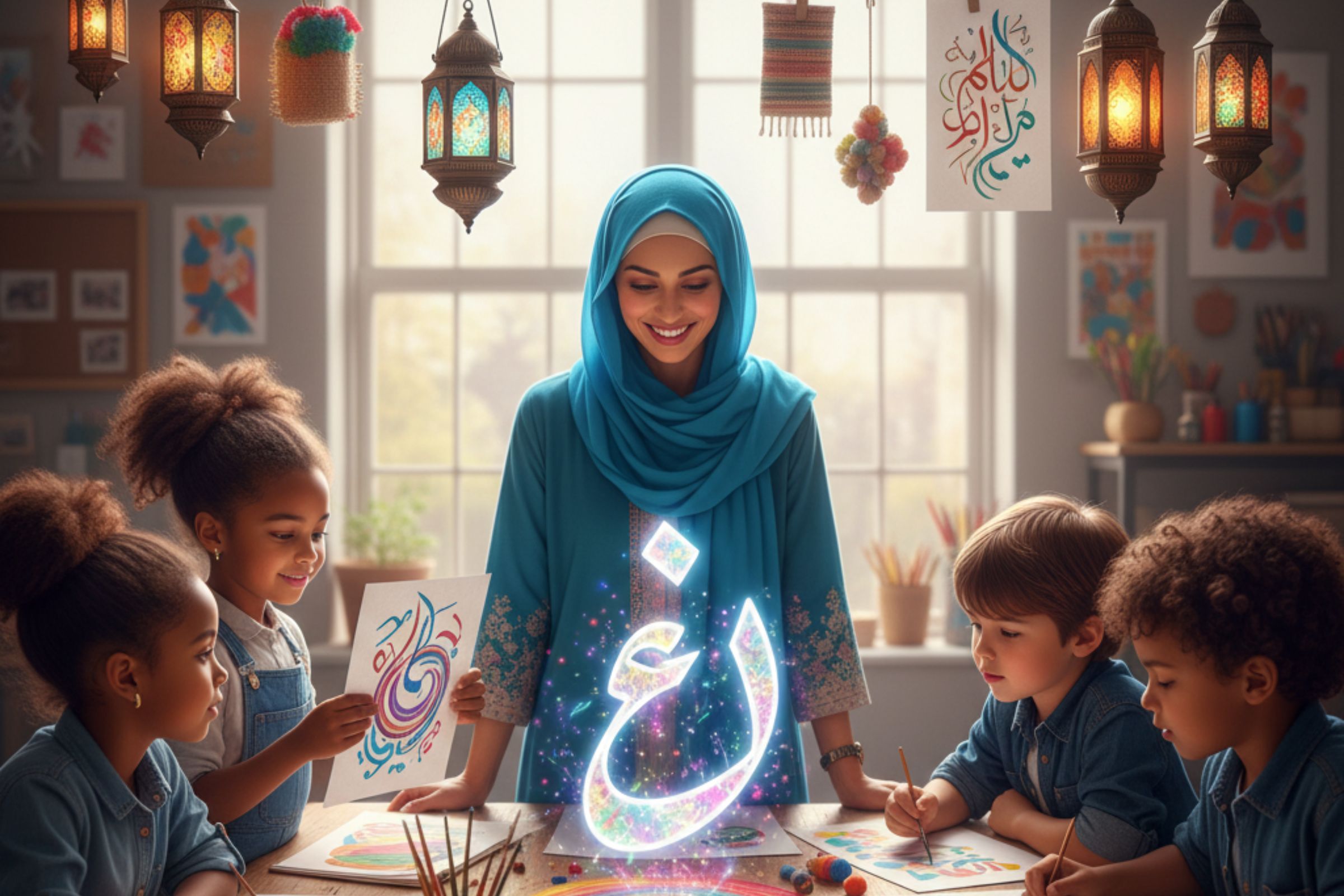
Learning a new language, especially one as rich and nuanced as Arabic, thrives on diverse and engaging approaches. While traditional methods are vital, igniting a student’s creative spark can unlock deeper understanding and retention. Art and craft activities offer a dynamic and creative outlet for language learning, transforming abstract concepts into tangible, memorable experiences. This blog post explores how incorporating Arabic calligraphy, traditional crafts, and imaginative art projects can profoundly enhance students’ language skills and cultural appreciation.
The Power of Creativity: Why Art & Craft Elevate Language Acquisition
Engaging the hands and the imagination simultaneously creates powerful learning pathways. When students actively create, they are not just memorizing; they are experiencing the language.
Multi-Sensory Engagement for Deeper Retention
Art and craft activities tap into multiple senses – visual, tactile, and even auditory (through discussion). This multi-sensory engagement strengthens memory pathways, making it easier for students to recall new vocabulary, grammatical structures, and cultural contexts. The act of physically manipulating materials while thinking in Arabic creates a more holistic and effective language learning experience.
Reducing Anxiety and Boosting Confidence
Traditional language lessons can sometimes feel intimidating. Art and craft offer a low-pressure environment where students can experiment and express themselves without the fear of making “mistakes” in a purely linguistic sense. This creative freedom reduces anxiety, builds confidence, and encourages a more spontaneous use of the Arabic language skills they are developing.
Engaging Activities: Blending Art, Craft, and Arabic Language Skills
From the elegance of calligraphy to the stories embedded in traditional crafts, there are countless ways to integrate art into your Arabic language curriculum.
The Beauty of Arabic Calligraphy for Language Mastery
Arabic calligraphy is not just an art form; it’s a direct immersion into the language’s written structure. Students learn the precise forms of letters, their connections, and the beauty of Arabic script. Activities can range from tracing famous verses (like those inspired by “Subhanallah” on your flyer) to creating their own names or simple sentences. This practice enhances fine motor skills, improves handwriting, and fosters a deep appreciation for the visual artistry of Arabic.
Exploring Traditional Crafts and Cultural Narratives
Many traditional Arab crafts are steeped in history and culture, offering a rich context for language learning. Creating mosaic patterns, designing geometric Islamic art, or even simple textile work can introduce students to new vocabulary (colors, shapes, materials, cultural items) and spark discussions in Arabic about heritage and meaning. These projects provide a tangible link between language and the vibrant Arabic culture.
Creative Art Projects: Unleashing Imagination in Arabic
Beyond specific crafts, general art projects can be tailored to language learning. Students can draw or paint scenes based on Arabic stories, create posters describing themselves or their families using Arabic adjectives, or even design comic strips with Arabic dialogue. These activities encourage imaginative thinking and practical application of new words and phrases in a fun, expressive manner.
Integrating Art & Craft: Practical Tips for Educators
To maximize the benefits of these activities, consider these practical integration strategies.
Vocabulary Expansion Through Hands-On Creation
Before starting a craft, introduce and practice the Arabic vocabulary related to tools, colors, shapes, actions (e.g., ‘cut,’ ‘glue,’ ‘paint’), and the final product. Encourage students to label their creations in Arabic.
Conversational Practice During the Process
Facilitate discussions in Arabic throughout the activity. Ask questions like: “ماذا تفعل؟” (What are you doing?), “ما هذا اللون؟” (What color is this?), “هل أعجبك؟” (Do you like it?). This creates natural opportunities for oral language practice.
Showcase and Share for Pride and Reinforcement
Displaying student artwork prominently creates a sense of pride and reinforces their learning. Encourage students to present their projects to the class, describing them in Arabic. This public speaking practice further develops their language skills.
Conclusion: The Artistic Path to Fluent Arabic
Art and craft activities offer an invaluable, creative pathway to Arabic language learning. By engaging students’ hands, minds, and hearts through Arabic calligraphy, traditional crafts, and imaginative art projects, educators can foster a deeper understanding, boost confidence, and ignite a lifelong passion for the Arabic language and culture. Let’s encourage our students to draw, build, and create their way to fluency!
Ready to transform your classroom management and maximize your impact? Education Consultant USA offers personalized strategies and support to help educators unlock their full potential. Schedule a free consultation today to discuss how we can empower your teaching journey!
#EducationConsultant #TeacherTips #EducationalLeadership #ProfessionalDevelopment #StudentSuccess #TeacherTraining #TeacherWorkshops #Coaching #OnlinePresence #TeacherLife